For example, two
glasses that are presumed to be “CoE90” have different published full fuse
temperatures. Wissmach states its full fuse temperature is 777°C/1432°F and
Bullseye states theirs is 804°C/1481°F. Both have an annealing temperature of 482°C/900°F.
Wissmach 96 anneals at 482°C/900°F and Oceanside at 510°C/951°F.
Wissmach96 has a full fuse
temperature of 777°C/1432°F and Oceanside Compatible full fuses at 796°C/1466°F.
Since annealing
occurs over a range it is possible to anneal Wissmach96 and Oceanside Compatible
together even though there is a published difference of annealing temperature
of 28°C/50°F. You could shotgun anneal –
go very slowly from the soak at 510°C/951°F to 482°C/900°F with another soak.
Fusing different
manufacturers’ glasses – even if they are the same supposed CoE – is more
difficult, unless you do not mind significantly different results. Bullseye will full fuse at 804°C/1481°F. But
Wissmach90 fuses at 777°C/1432°F. This will provide significantly different
results. The same for Oceanside and
Wissmach96. The 21°C/38°F difference in full fuse temperature will
provide lesser difference than the Bullseye Wissmach90, but will still be
noticeable.
This indicates that
the full fuse effect of even the supposed same CoE will not be the same when fired
together.
Finding the
slumping temperature is determined less from the manufacturer than by
observation. This post tells you how to find the slumping temperature.
If these characteristics
are similar, you can slump them at the same time. Expect some significant variation.
There are some –
possibly many – who will say firing different glass at the same time is both
possible and successful. The manufacturers’ recommended temperatures show some
wide variations. This makes it unlikely you will get the same desirable results
for any but one of the glasses.
My recommendation
is do not try to fire different glass at the same time.And why are you using two incompatible glasses
anyway.
Using your website to sell requires you to get relevant
people to visit as a prerequisite. But how can you get people to view your website? And it needs to be relevant people - those who are potential buyers.
These are some suggestions on ways to attract visitors.
Keywords in the meta descriptions and in the text are
important.These are not just products,
colours and other aspects of the work, although essential.They are why people are buying.Elements of this are buying gifts, e.g.:
Holidays
Celebrations
Awareness days and weeks (Mother’s Day, birdwatch month, Gardening week, etc).
These need to be detailed in specific terms to bring people who are buying for birthdays, aniverseries, weddings, etc.
They may be buying for a purpose:
Windows,
Kitchens,
Decorative,
Functional,
Garden
Again, these need to be described in specific terms, e.g., splashbacks, dinner sets, wall art, etc.
Use the specific terms in your titles and early in the descriptions
of each item.This process is not easy,
and you may want to enlist help from friends and family to get the right terms.SEO is not the complete answer to getting
visits, though. There are other things you need to do
Categorise your pages with specific names rather than
generic ones such as collection or portfolio. Use names such as splashback,
tiles, birds, bowls, etc.Leave the mention of glass to the description
of each item. It doesn't really have a place in the title for your pieces.
Promote your social media and site at every
opportunity. If you have been mentioned somewhere, let everyone know.Use specific links to the work relevant to
any communication within the post. All your printed material needs to have the addresses of
your site and social media, also as part of the signature of your email
address. Link between all your social media platforms, your website and any selling sites you participate in. But it is not only your own site that you need to promote. In promoting other sites that you are associated with, you spread the knowledge of what you do. By linking and liking sites or businesses that have been useful to you, you may also get reciprocal mentions. These all spread knowledge of what you do to a wider audience.
Share
Make it easy for people to share the content of your
site. Have buttons and links that viewers can click on with no extra effort. Share links to other articles that you have found interesting. The readers of those articles will pick up on your links. Include internal links to other works on your website and any other selling platform in which you participate.
Update your website.
Updating the website is time away from making. But it is essential to the selling of what you make. Of course, you update your site every time you complete a piece of work - don't you? You let people know of developments in your business life at they happen, surely. This refreshing helps the indexing web crawlers to recognise
a site that is current and so index the new stuff. By using all the specific terms in describing things, you will provide human browsers with the terms to direct them to you.
Respond to current matters
React to timely and trending topics.These can be relevant general news items,
upcoming events that are relevant to your potential customers, awareness days
relevant to you and your work, etc. What is happening in the craft world, or your section of it is of general interest. It helps develop the audience for craft, which in turn, gives you a bigger audience. Not everything needs to be about you.
Write about your customers’ questions.Give information about the questions and the
background to them along with the response.Use the customers’
language. By doing this you are making use of the search terms used by your potential customers. You don't get questions on your site? There are other sources.
Keep track of the questions you are asked at craft and trade fairs and use them.
Use the questions you have of other crafts and craft workers, adjusted for your own work.
You can develop questions by
googling for answers to your own questions and see how they are phrased.Then use that kind of approach in outlining
responses to the questions.
Use case studies in your updates and posts.Providing in-depth descriptions of a
commission or development of a product goes a long way to giving an insight to
how you work and about your values.These are interesting things for prospective buyers. And it engenders confidence in your approach to your work - your ethos.
Write for other sites that are relevant to your
customers.There are websites and blogs
that publish guest articles.You will
need to develop a relevant pitch for each of the ones of interest.Do only one pitch at a time to ensure you are
not overwhelmed.
These suggestions are not exhaustive, of course.It may seem like a lot of effort for
uncertain results.As you become
practiced, you will find it easy to add a few paragraphs each day to one of
your online presences.These entries
will provide the entry points for potential customers and develop the
personality of your business.
Recently, with concerns over the potential toxicity of amalgam (silver fillings) and customer preference for less conspicuous fillings, there has been an increasing trend towards the use of composite (white fillings) materials for repairing dental decay. More than 122 million composite tooth restorations are made in the United States every year.2
Composite fillings are generally made from synthetic resins that are softer than natural tooth material, and so they are more susceptible to failure than amalgam (lasting 6-10 years versus several decades, respectively). However, all fillings will fail at some point as they crack or shrink away from the tooth. In both cases, the resultant gaps can harbor bacteria and food debris, increasing the risk of further tooth decay. The most common reason for replacement fillings is secondary caries occurring at the margins.
There has consequently been much research into developing a more durable filling material for the repair of dental decay, whilst still maintaining the aesthetic value.
Since bioactive glass is known to be biocompatible and is already used for many biomedical applications, its potential in dentistry has been explored. This article discusses the use of bioactive glass as a dental filling material.
What is Bioactive Glass?
Glass does not elicit an immune response and so, by virtue of its high strength and low weight, has been widely used in a range of biomedical applications, including bone tissue engineering, bone regeneration and wound healing.4 Bioactive glass is a type of glass that is able to bond to either hard or soft tissue and also demonstrates antimicrobial activity.
Bioactive glass is made from high purity raw materials, such as silicon oxide, calcium oxide, and phosphorus oxide, melted in platinum crucibles.5 They are available as discs, spheres, fibers and powders of varying sizes and with specific compositions.6 Furthermore, by modifying the composition and structure of the glass, its physical properties can be tailored to meet a specific need.5
Dental Bioactive Glass Composites
Following the success of bioactive glass in orthopaedic applications, bioactive glass was adopted for use in dentistry applications. It has shown substantial benefit in the repair of periodontal defects.4
The observed antimicrobial activity alongside its demonstrated high strength made bioactive glass a prime candidate for tooth fillings. Fillings made with bioactive glass should slow secondary tooth decay by inhibiting bacterial colonization and increase the durability of composite filling materials. Furthermore, it was hypothesized that the bioactive glass may also provide minerals to strengthen the damaged surface of the tooth.
Evaluations of bioactive glass as a tooth filling have recently shown that such extrapolations to dentistry are indeed correct. Studies have demonstrated that the addition of bioactive glass to dental filling materials enhanced mineral formation in the dentin, promoting remineralization of dental caries7 and improved the mechanical properties of a filling in an aqueous environment.8 The latest research has shown that restorations made with a composite filling materials mixed with bioactive glass filler are significantly less prone to bacterial penetration.9 The proportion of the gap depth colonized with bacteria was 61% when a filler incorporating bioactive glass was used, compared with 100% for the conventional filler.
Based on these findings the addition of bioactive glass to composite filling material may increase the durability of composite fillings while also reducing the incidence of secondary tooth decay at restoration margins.
Conclusion
Secondary decay at the site of tooth restorations is an ongoing challenge in dentistry. Tooth fillings that utilize bioactive glass composites have been shown to reduce bacterial colonization and strengthen composite fillings. This translates to a reduced rate of decay and increased lifetime of the restoration. The addition of bioactive glass to dental filler materials thus have the potential to offer patients requiring dental restorations a less problematic solution.
Jamie Kruzic, a professor and expert in advanced structural and biomaterials in the Oregon State University College of Engineering, highlighted the benefits of incorporating bioactive glass into dental filling materials “This type of glass is only beginning to see use in dentistry, and our research shows it may be very promising for tooth fillings. The bacteria in the mouth that help cause cavities don’t seem to like this type of glass and are less likely to colonize on fillings that incorporate it. This could have a significant impact on the future of dentistry”.
Prabhakar AR, et al Comparative Evaluation of the Remineralizing Effects and Surface Micro hardness of Glass Ionomer Cements Containing Bioactive Glass (S53P4):An in vitro Study. Int J Clin Pediatr Dent. 2010 May-Aug;3(2):69-77. doi: 10.5005/jp-journals-10005-1057. Available at https://www.ncbi.nlm.nih.gov/pubmed/27507915.
Chatzistavrou X, et al. Fabrication and characterization of bioactive and antibacterial composites for dental applications. Acta Biomater.
Glass can be trapped in or on moulds in various circumstances. These usually relate to the relative expansion and contraction characteristics of the glass and mould. The two materials most usually concerned are steel and ceramic.
Releasing glass from steel
Frequently when using steel as dams around glass, the glass becomes stuck inside the steel. The cause of this is the greater contraction of the steel than the glass. On cooling, the steel compresses the glass tightly.
Another circumstance where glass is trapped is while slumping glass into a steel vessel. If the draft of the sides of the vessel is steep, the glass cannot slip upwards as the steel contracts against the glass, so trapping the glass.
Most successful attempts to remove the glass from the steel are like removing a metal lid from a glass jar. Heat the metal and try to keep the glass cool. You can run hot water on the steel while keeping the glass cool. This will most often allow the glass to be pulled from the steel surround, assuming there was a glass separator applied to the steel.
Putting the whole assembly in the freezer will only increase the grip of the steel as it will contract even more than the glass.
Prevention of trapping the glass involves placing a cushion between the steel and glass. This is usually 3mm fibre paper. Sometimes this has a layer of Thinfire added to give a smoother edge to the glass. Other times, the fibre paper is coated with boron nitride. There is no need to use both Thinfire and boron nitride, of course.
Releasing glass from ceramic
The difficulty of glass trapping ceramic occurs during draping. Ceramic expands and contracts less than glass. This means that the glass will trap a kiln washed ceramic shape with a steep draft. The glass on cooling, contracts more than the ceramic which means the glass is tightly encasing the ceramic.
A ceramic draping mould from which it may be difficult to remove the glass.
Most successful attempts to remove the glass from the ceramic form include either gently warming the glass or freezing the whole assembly. You could place the glass in a bath of warm water. This encourages the glass to expand, but does not heat the ceramic. This usually provides enough gap to ease the glass from the ceramic form.
The other approach is to put the whole into the freezer. This is utilising the greater contraction of the ceramic to release the glass. This is less immediate than the warming of the glass, of course.
Prevention of trapping glass on ceramic with shallow drafts involves covering the form with 3mm fibre paper to provide a cushion during the contraction. The fibre paper may need to be attached to the form by binding with high temperature wire, as glues will not survive the heat of draping.
Using Bioactive Glass to Encourage Implant Fixation
Posted Krista Grayson on Jan 5, 2018
Bioactive glass induces specific biological activity when implanted in the body that causes the glass to become covered with a substance similar to hydroxyapatite. The formation of this layer allows bioactive glass to bond firmly with both hard and soft tissues.
This behavior has instigated extensive research into the use of bioactive glass to facilitate the repair of damaged bone. Furthermore, these bioactive glasses are biocompatible, and so do not elicit immune responses that can lead to rejection of foreign materials introduced into the human body.
Although brittle, bioactive glass offers a strong, yet lightweight, biodegradable framework to support healing. Furthermore, new borate and borosilicate bioactive glasses have been shown to enhance bone regeneration. In addition, the composition of bioactive glass can be adjusted to determine how long it persists in the body before it degrades so it provides support as long as is needed.1
Considerable success has been achieved using bioactive glass in the repair of bone, soft tissue and cartilage.1 Bioactive glass has also been shown to be beneficial in periodontal reconstruction2 and to promote the healing of ulcers in patients at risk of leg amputation.3
The efficacy of bioactive glass in enhancing the healing of both hard and soft tissues led to investigation into their application in reconstructive surgery requiring the use of permanent implants. This article explores how bioactive glass can help encourage the integration of implants.
Ensuring that Implants are Biocompatible
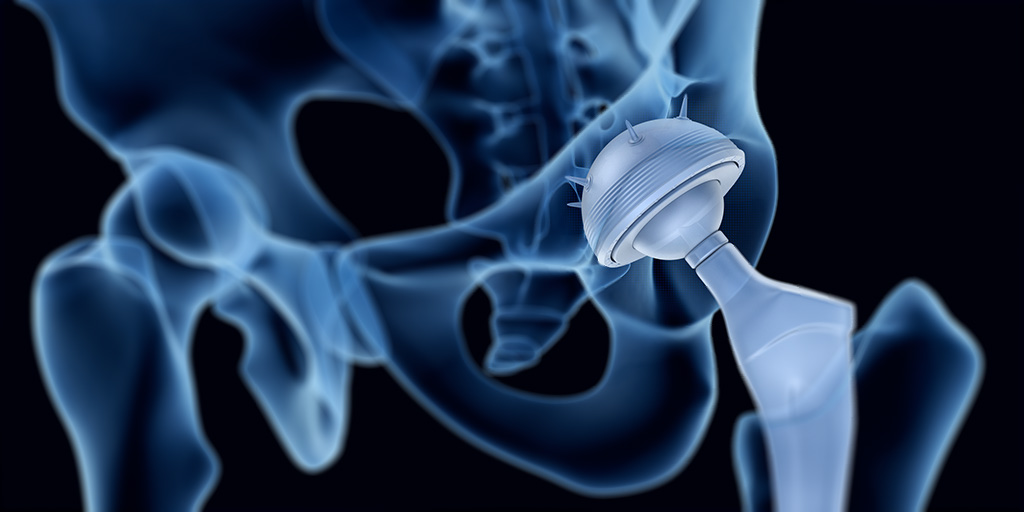
The human body has an amazing capacity to heal itself. However, in the case of multiple or complex fractures or serious infection or disease there can be too much of the original bone missing for it to heal satisfactorily. In such cases a bone graft or scaffold is required to support regeneration or bone fusion. Similarly implanted devices, such as plates, or screws and joint replacements, may be needed to reinforce or replace weak or damaged bones and joints. Similarly, implants may be required in dentistry to facilitate artificial replacement of a tooth root. These are usually in the form of a metallic screw positioned in the jaw bone that can support one or more false teeth.
Bone taken from another part of the patient’s body, an autograft, is the preferred implant for bone repair since it will not be at risk of rejection. However, this can be hampered by availability or suitability and incurs additional morbidity for the patient at the site from which the graft is harvested.
Titanium alloy implants have good biological compatibility but, in order for the implant to provide a strong structural support, it must be integrated into the bone (osseointegration) and it can take several months for the bone to grow in and/or around the implant. The implant must also be mechanically and morphologically compatible so it maintains good contact with the recipient bone to promote bony cell growth. In addition, there is the risk of metal implants being corroded by body fluids and releasing potentially toxic products.
Consequently, there has been much research into coatings for prosthetic metallic implants.4
Coating Implants in Bioactive Glass
Bioactive glass is one such coating material that is currently the focus of much research. Once in the body, an amorphous calcium phosphate layer forms on the surface of bioactive glass. Within hours, this layer incorporates blood proteins and collagen and crystallizes into hydroxycarbonate apatite. This layer is now very similar to natural bone mineral, and so bonds readily to the recipient tissues/bone. Bioactive glass is therefore a prime candidate for coating implants that need to become integrated into bone.
Including bioactive glass in polymeric scaffolding materials has been shown to accelerate the formation of a strong bond between the scaffold and tissue and promote healing.5 It followed that similar technologies may facilitate the osseointegration of the implants.
Numerous technical challenges have been overcome and titanium implants have been successfully coated with bioactive glass4 and evaluations of bioactive glass-coated implants have had promising results.6,7,8 Bioactive glass coatings on both orthopaedic and dental implants were shown not induce any adverse effects or inflammatory response in the surrounding tissue6. Furthermore, bioactive glass coatings accelerated cell attachment, spreading, proliferation, differentiation, and mineralization of the extracellular matrix and promoted rapid bone growth.6,7 In addition, the proportion of bone-to-implant contact were significantly greater for implants coated with bioactive glass.8
Bioactive glass can be obtained in a range of sizes and compositions9 suited to a range of applications. Indeed, bioactive glass can be custom made to specifications that precisely match a specific need, in terms of strength, degradation rate etc.
Conclusion
Implants are commonly needed in orthopaedic surgery to facilitate the repair of damaged or missing bone and in dental reconstructions. Although implants have been used with great success, procedures may be limited by rejection issues and toxicity concerns. Furthermore, it can take several months for an implant to become integrated into the recipient bone and this increases the risk of failure and prolongs recovery times.
The biocompatibility and strength of bioactive glass along with its ability to promote tissue regeneration has made it an invaluable tool in tissue engineering. With recent technological advances, it is now possible to coat metal implants with bioactive glass. Implants coated in this way have demonstrated great advantages in terms of both patient safety and recovery. The bioactive glass coating protects the metal implant from corrosion by bodily fluids thereby minimizing the risk of potentially toxic products entering the body. It also promotes new bone growth so the implant becomes secured in the bone more rapidly.
Bioactive glass coatings on implants can be used to encourage implant fixation, improve healing rates and maximize implant effectiveness.
Mo-Sci produce high quality bioactive glass in a form suitable for coating implants and can tailor its composition to meet specific requirements.
References
Rahaman MN, et al. Bioactive glass in tissue engineering. Acta Biomaterialia 2011;7:2355 2373.
Sohrabi K, et al. An evaluation of bioactive glass in the treatment of periodontal defects: a meta-analysis of randomized controlled clinical trials. J Periodontol 2012; 83: 453 464.
Lopez-Esteban S, et al. Bioactive glass coatings for orthopedic metallic implants. Journal of the European Ceramic Society 2003;23:2921–2930.
Lu HH, et al. Three-dimensional, bioactive, biodegradable, polymer-bioactive glass composite scaffolds with improved mechanical properties support collagen synthesis and mineralization of human osteoblast-like cells in vitro. J Biomed Mater Res 2003;64A:465–474.
Mehdikhani-Nahrkhalaji M, et al. Biodegradable nanocomposite coatings accelerate bone healing: In vivo evaluation. Dent Res J (Isfahan). 2015;12(1):89 99.
Chen Q, et al.Cellulose Nanocrystals–Bioactive Glass Hybrid Coating as Bone Substitutes by Electrophoretic Co-deposition: In Situ Control of Mineralization of Bioactive Glass and Enhancement of Osteoblastic Performance. ACS Appl Mater Interfaces. 2015 Nov 11;7(44):24715 25.
van Oirschot BA, et al. Comparison of different surface modifications for titanium implants installed into the goat iliac crest. Clin Oral Implants Res. 2016;27(2):e57 67.
Mo Sci Corporation website. http://www.mo-sci.com/en/products
Many novice kilnformers tend toward the use of tack rather than full fusing in their work. This is a bit perplexing, as tack fusing is more difficult than full fusing to complete successfully.
Why is tack fusing more difficult?
The single most important reason is that the pieces of glass on top of the base shade the heat from the area underneath. And they do that unevenly over the base glass. Additionally, the tacked pieces are not fully incorporated into the base and so tend to behave as separate pieces, especially on angular tack fusing. Both these factors require greater thought and care in scheduling.
Evidence
The evidence for the statement that tack fusing is more difficult than full comes from several areas.
There is a lot of evidence on social media of failed tack fused projects. It may be argued that it is natural for the difficulties to be highlighted on the self-help groups. And the successes are not so widely shared. There are other pieces of evidence.
Breaks of base sheet while the overlaying pieces remain intact.
This is a result of the overlaying glass shading the heat from the lower layers. Some writers describe the effect as glass “seeing” heat. The glass reacts more quickly to radiant heat than to transmitted heat from the air. As a result, the glass exposed to the radiant heat absorbs heat more easily than the shaded areas. This leads to uneven heating during the rise in temperature and a build-up of stress which frequently causes breaks from expansion differences in the base glass.
Breaks along the borders of the thick and thin areas of pieces are common in tack fusing.
This usually occurs during the cooling. Thick and thin areas take different amounts of time to release the stored heat. As in heat up, if the temperature differential is too great, the glass will break. Research by Bullseye has shown that significant stress can be built up by temperature differences greater than 5°C across the piece. What temperature difference is required to develop enough stress to cause a piece to break is unknown, although it does relate to the degree of variation in thicknesses and areas of base covered.
Scheduling as for thicker pieces.
Further evidence is given by several sources stating that tack fusing projects need to be scheduled as though between 1.5 and 2.5 times the actual thickness to be successful. This need for more careful firing is supported by the success of this strategy which increases the heat work as applied to tack fusing.
Tack fusing requires more care than flat fusing because of heat shading and thickness differences. There are some scheduling approaches that can minimise the risks of breakage.
Encouraging Vascular Regeneration using Bioactive Glass Microfibers
Posted Krista Grayson on Dec 4, 2017
Developments in tissue engineering over recent years have made possible the restoration of serious trauma.1 Using temporary scaffolds of biologically compatible substitutes, such as bioengineered tissue, damaged, injured or missing body tissues can be replaced.
With significant advances in the available scaffolds for use in tissue engineering, the provision of an adequate blood vessel system — vascularization — has become the key limitation to the regeneration of tissues after trauma.2
Several approaches have been used to achieve the necessary vascularization to supply sufficient blood to bioengineered tissue. These include loading the scaffold with angiogenic growth factors, such as vascular endothelial cell growth factor (VEGF), or endothelial cells and even prevascularization of the tissue to be implanted.2
Bioactive glasses have been shown to provide effective scaffolds for soft tissue engineering.1 They are biocompatible, lightweight and strong, and can be produced to degrade at a rate that matches the growth of new tissue.1 More recently, it has become apparent that bioactive glass also promotes angiogenesis that is important for supporting new tissue growth.
The Need for Tissue Engineering After Trauma
The human body has a remarkable ability to heal itself after undergoing trauma. However, such healing is a complex biological process requiring many different cell types to complete the necessary steps at the right time.3 If large amounts of tissue have been lost, tissue engineering is used to provide a temporary biomaterial scaffold to provide the necessary support or shape while the new tissue grows.
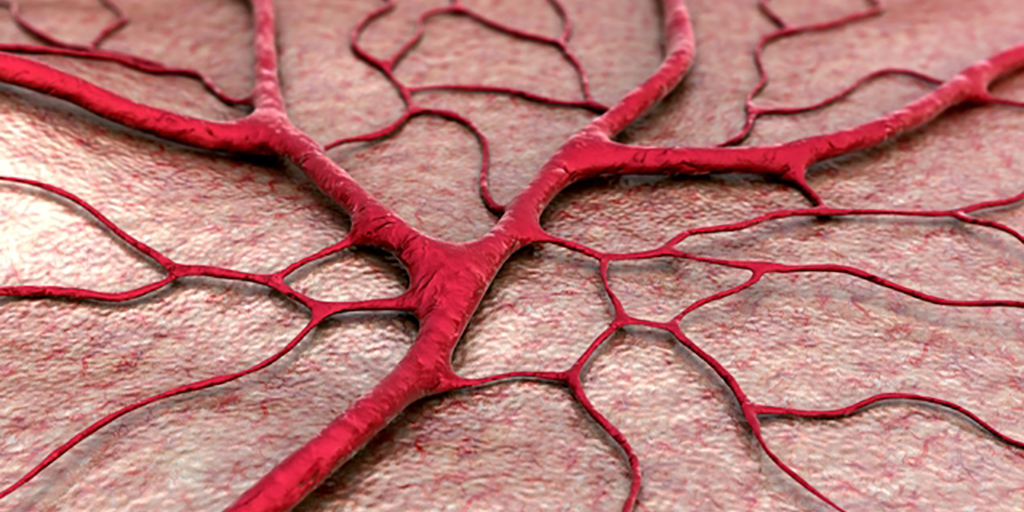
Initially, damaged blood vessels must constrict to stem blood loss but then they are required to regenerate to provide nutrients to the new tissue created to restore the damage. Vascular regeneration is thus an important step in the healing process. If there is not an adequate vascular system, the nutrients required for growth cannot be supplied.
Bioactive glass, by virtue of its biocompatibility, strength and range of achievable properties, is widely used to provide support in tissue engineering and been used with much success in the repair of bone, soft tissue and cartilage repair.1 Once implanted in the body, reactions occur on the surface of bioactive glass that facilitate bonding with existing tissue. Furthermore, bioactive glass can release ions, such as calcium that is important for regeneration of skin and bone, that are needed to support regeneration and promote rapid bone formation.4
More recently it has also become apparent that bioactive glass can promote vascularization without the need for adding growth factors to the scaffold.5-7
Bioactive Glass can Accelerate Healing
Bioactive glass is a valuable tool in tissue engineering. Although originally used to facilitate bone repair, it has also provided tremendous benefit when included as a component of bioscaffold materials used in soft tissue repair. Bioactive glass has been shown to speed up healing and has the added benefit that its rate of resorption can be tailored to meet a particular repair need.1
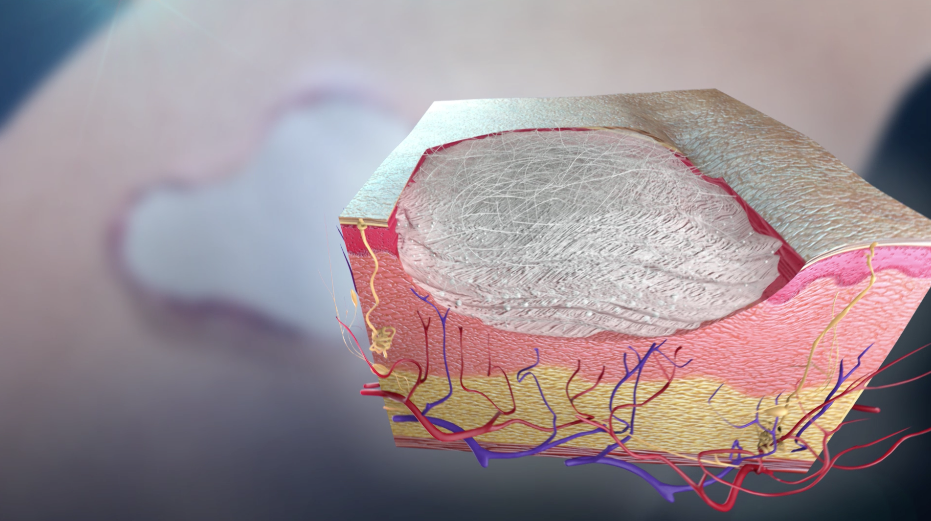
A novel form of borate bioactive glass has been successfully used in wound healing.8 A fibrous network of calcium-rich glass fibers forms a scaffold to promote skin regeneration. When this bioactive glass was used in patients with diabetic ulcers who were at risk of limb amputation, the skin was fully repaired in almost two thirds of cases after a few months with little if any scarring.8
More recently, it has been shown that bioactive glass actively enhances tissue regeneration by stimulating the secretion of angiogenic growth factors that promote the proliferation of microvascular endothelial cells and enhance revascularization.5,6 Thus, bioactive glass is able to augment a critical process in tissue regeneration.7 This allows more rapid tissue repair without the need for adding recombinant inductive growth factors.
Conclusion
Bioactive glass is established as a key tool in a range of tissue engineering applications. It promotes the repair of bone and soft tissue whilst providing structural support. Furthermore, the bioactive glass can be designed to last just as long as is needed for the new tissue to gain the necessary volume and strength for the repair to be completed.
In addition, it has been shown that bioactive glass also increases the levels of angiogenic growth factor, which accelerate vascular regeneration. Vascularization is a key process in tissue repair since blood vessels are required to provide the nutrient for new tissue to develop and grow. Previously, recombinant growth factors were added to tissue engineering scaffolds to promote the creation of new blood vessels. This extra process can now be obviated by including bioactive glass as a component of the scaffold material.
Proangiogenic potential is thus another desirable quality that can be added to the properties of bioactive glass. This further supports the use of bioactive glass in temporary healing scaffolds during tissue engineering procedures.
Mo-Sci produces medical implant grade bioactive glass in a range of formats suitable for use in a wide variety of tissue engineering scaffolds and can tailor its composition to meet specific requirements.9
References
Rahaman MN, Day DE, Bal S, et al. Bioactive glass in tissue engineering. Acta Biomaterialia 2011;7:2355 2373.
Baiguera S and Ribatti D. Endothelialization approaches for viable engineered tissues. Angiogenesis. 2013 Jan;16(1):1 14.
Gerhardt L-C and Boccaccini AR. Bioactive Glass and Glass-Ceramic Scaffolds for Bone Tissue Engineering. Materials 2010;3:3867 3910.
Day RM, et al. Bioactive glass stimulates the secretion of angiogenic growth factors and angiogenesis in vitro. Tissue Eng. 2005 May-Jun;11(5-6):768 77.
Leu A and Leach JK. Proangiogenic Potential of a Collagen/Bioactive Glass Substrate. Pharmaceutical Research 2008;25 (5):1222–1229.
Gorustovich A, et al. Effect of bioactive glasses on angiogenesis: In-vitro and in-vivo evidence: A review. Tissue Eng. Part B Rev. 2010;16:199 207.
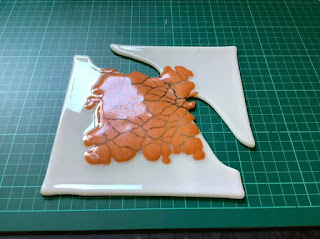
I have a plate I made using this mold. It’s 6”x6”. … [it is broken into] 8 large pieces. Is it possible to piece it together into the mold and full fuse the plate again in the mold? … Or do I need to try to piece it together on the shelf paper and full fuse and hope for the best?
Full fusing in the mould is unlikely to be satisfactory. The glass at full fuse will move toward the bottom of the mould, making a thick puddle. Alternatively, it will form a large thick bubble at the bottom, as I see no vent holes in the corners at the base of the mould. It will also have significant marking from dragging along the mould and from the mould texture. It also presents some risks to shorten the life of the mould.
Fusing a dropped and broken piece that has been slumped is unlikely to be successful, whether fused in the mould or fused flat first.
Using Fibrous Borate Bioactive Glass in Wound Healing
Posted Krista Grayson on Nov 17, 2017
800x SEM image of fibrous bioactive glass used for treating wounds
Wound healing is a complex and dynamic biological process that requires different types of cells to complete the critical steps at the appropriate time promptly1. When blood vessels are damaged, they constrict and dilate intermittently. The vessels must constrict to stop blood loss and then dilate again to allow the immune system deal with the invading microorganisms such as bacteria. A scaffold is then formed by a network of fibrin, allowing a proliferation of new cells to again populate the site of injury.
Wound healing is usually taken for granted; however, there are many factors that can affect this complex process, such as medications, infection, and lack of oxygen. Age and diabetes are considered the top risk factors for impaired or delayed wound healing.
Diabetes and aging can result in blood and other body fluids that accumulate in the lower limbs and feet owing to damaged valves or stretched veins, and therefore prevent these fluids from being pumped back to the heart. When more and more fluid accumulates, it increases the pressure which, in turn, causes the accumulated fluids to seep through the skin. This triggers a venous stasis ulcer.
The fluids that seep from the wound include enzymes that clean a wound during the early stages of the healing process. However, when these fluids exude continually, they impede the next step of the healing process and make the wound even worse. In many cases, limb amputation1 provides the only solution for treating repeated infection and long-term non-healing wounds.
About 1% of people in industrialized countries suffer from leg ulcers, which are mainly attributed to poor flow of blood from the legs to the heart. In spite of treatment, some ulcers do not heal even after months or years. As a result, intense research has been made on specialized wound-care treatments capable of promoting the healing of leg ulcers.
Specialized wound-care
Fluid accumulation can be prevented through compression of the lower leg. This can stop the fluid from seeping through a venous stasis ulcer and allow the wound healing process to carry on2. Likewise, fluid accumulation in the wound can be prevented by applying a vacuum to the ulcer, and thus promote the healing process3.
While these approaches can be effective, they are very expensive and have to be continued for an indefinite period of time, and most importantly, they are inconvenient for patients. Further, there is no guarantee that wound healing will be achieved.
One innovative wound care approach is adding glass fibers to develop a scaffold that promotes the formation of new tissue and thus helps in wound closure4. This scaffold is similar to the natural scaffold provided by fibrin during the wound healing process.
Bioactive glass in tissue engineering
Over recent years, breakthrough developments in tissue engineering have made it possible to reverse the damage caused by disease or trauma5. A temporary biomaterial scaffold that provides the required shape or support while the new tissue grows represents an important aspect of all tissue engineering. Bioactive glass, in terms of its strength, biocompatibility, and range of attainable properties, is broadly used to extend support in tissue engineering.
So far, silica-based bioactive glasses have been traditionally used to facilitate periodontal reconstruction or bone repair, but now many new borate-based bioactive glasses are used as scaffolds for soft tissue engineering5. Borate bioactive glass scaffolds provide the required support and have also been shown to promote angiogenesis, a key process that promotes the growth of new tissues5.
Recently, a new form of borate bioactive glass has been developed by Mo-Sci Corporation (Rolla, Missouri, USA) for wound healing (DermaFuse™/Mirragen™)4,6. Tiny cotton-like fibers are drawn out from the bioactive glass. A scaffold is produced by the fibrous network, similar to the natural fibrin scaffold formed by the body, to encourage wound healing. There is high calcium content in the glass because this mineral is essential to promote skin regeneration. It has been shown that the fibrous borate bioactive glass is effective and help heals long-term venous stasis ulcers. It is being hoped that this glass will also be equally effective for treating burns and other extensive wounds.
Bioactive glass in wound healing
At Phelps County Regional Medical Center, USA, a clinical trial was performed that demonstrated that DermaFuse (now known as Mirragen™) was highly effective in diabetic ulcer patients at an increased risk of limb amputation. Among the 13 participants, some had wounds that had not healed for over a year. When the wound was packed for a few months with the fibrous borate glass, the skin was completely healed in eight patients while showed considerable improvement in the other four participants. In fact, the healed skin had little to no scarring.
Earlier this year, this new wound healing material obtained FDA marketing approval and is also received approval for use in the veterinary field under the brand name Redi-Heal™.
Conclusion
In tissue engineering, bioactive glass serves as an important tool as it is biocompatible and also its properties can be customized to meet a specific requirement by modifying the glass’ structure and composition. For many years, bioactive glass has been used to provide a scaffold for periodontal reconstruction and bone repair, and more recently it has been widely studied in soft tissue repair.
In addition, a fibrous bioactive glass product was approved for use in wound repair earlier this year. The effective treatment of non-healing venous stasis ulcers shows that more serious skin damage such as burns may also be effectively treated.
Nelson EA, Cullum N, Jones J. Venous leg ulcers. Clin Evid 2006;15:2607–2626.
Xie X, McGregor M, Dendukuri N. The clinical effectiveness of negative pressure wound therapy: a systematic review. Journal of Wound Care. 2010;19 (11): 490–495.
The American Ceramic Society Press release 4 May 2011. Available at https://www.sciencedaily.com/releases/2011/05/110503133056.htm
Rahaman MN, Day DE, Bal S, et al. Bioactive glass in tissue engineering. Acta Biomaterialia 2011;7:2355?2373.
Mo Sci Corporation website. http://www.mo-sci.com/bioactive-glass.html
An obvious time is when the grinding becomes much slower than previously. Adjusting the bit up or down to expose a new diamond grinding surface is the obvious first step. When there is no more adjustment available it is time to replace the whole bit.
Another time to replace the bit is when a bare spot appears.
One style of wear on these bits is not just the general, even wear all the way around the bit, but where all the diamonds are lost, and the metal is exposed.
This bare spot can be observed upon inspection. But most of us do not regularly inspect the bit before turning the grinder on. There is another way to tell something is amiss. What you may notice is an unexpected vibration during grinding. When you experience this vibration, it is time to inspect the bit. You will most likely find a patch of bare metal.
You do not have to throw the bit out. If there is space above or below the bare spot that will provide a grinding surface for the thickness of glass you are grinding, you can do something to extend the life of the bit.
Simply raise or lower the bit until the bare spot is below the surface of the grinder grid, or in the case of this illustration, raise it sufficiently high to be above the thickness of the glass you are grinding.
Why do the bare spots appear?
It may be due to manufacture. The bonding of the diamonds may not have been completely even. But it can also be due to grinding while there is little water – when a paste appears. This leads to heating of the grinding bit as much or more than the glass. A hot grinding head, especially those which are resin bonded, can lead to loss of diamonds either in one spot or generally around the bit.